Info

Common Misconceptions About Commercial Cleaning: Separating Fact from Fiction
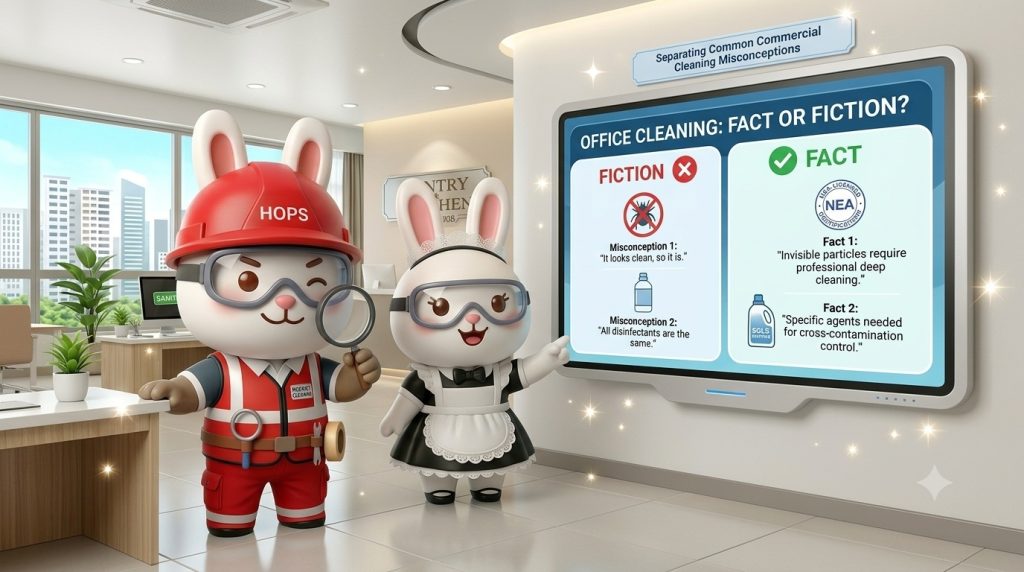
When evaluating commercial office cleaning services, what you don’t know—or what you think you know—can cost your business far more than just a cleaning bill. Misconceptions about sanitation often lead businesses to choose unsuitable service providers, underestimate the importance of workplace hygiene, or expect unrealistic results.

Crucial Takeaway:Investing in professional commercial cleaning services is about far more than vacuuming floors and emptying rubbish bins. It plays a critical role in protecting employee health, preserving office assets, maintaining a professional corporate image, and creating a safer, more productive workplace.

Let’s separate the myths from the facts.

Myth 1: “If It Looks Clean, It Is Clean”
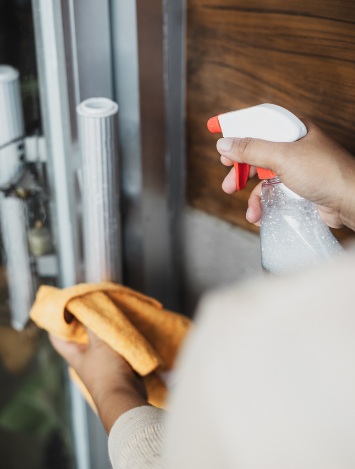

A collection of common office high touch surfaces including a keyboard, door handle, and lift buttons.This is perhaps the most common and dangerous misconception in the corporate world. Visual cleanliness simply means there is no obvious surface litter or dust; it does not mean harmful microorganisms have been removed.

An office desk can appear absolutely spotless while still harbouring thousands—or even millions—of bacteria and viruses. In fact, studies show the average office desk can support significantly more bacteria per square inch than a workplace toilet seat, purely because it is rarely disinfected correctly.

High-Risk Cross-Contamination Zones

Some of the highest-risk zones for cross-contamination in any workplace include:

  • Door handles and push plates
  • Lift buttons and digital keypads
  • Computer keyboards and mice
  • Shared telephones and conference room equipment
  • Pantry appliance handles and water dispensers
  • Light switches

These are known as high-touch surfaces because they are handled repeatedly throughout the day by multiple individuals, acting as primary vectors for spreading illnesses like influenza or stomach bugs.

Myth 2: “Commercial Cleaning Services Are Just Residential Cleaning on a Bigger Scale”
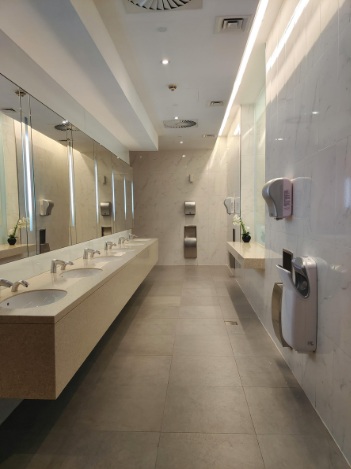

Commercial cleaning services equipment operated by a professional cleaner inside an office corridor.

Cleaning an office is fundamentally different from cleaning a home. Commercial environments experience significantly higher foot traffic, intensive shared facilities, and a scale of wear and tear that domestic cleaning methods simply cannot handle.

Commercial spaces feature a complex mix of specialized flooring materials, ergonomic workstations, sensitive electronics, large-scale pantries, and high-frequency communal washrooms. Navigating these spaces safely requires professional commercial cleaners who undergo rigorous operational training, including:

Surface Chemistry

Matching specific pH-balanced cleaning agents to technical floor finishes, industrial carpets, and delicate stone or composite surfaces to prevent chemical etching or permanent asset damage.

Risk and Compliance

Adhering to strict workplace safety procedures, tracking Safety Data Sheets (SDS) for all chemical solutions, and operating high-powered commercial-grade machinery safely around staff.

Cross-Contamination Protocols

Utilizing distinct, color-coded microfiber tracking systems to ensure a cloth used to sanitize a restroom facility is never accidentally cross-deployed to wipe down a conference room table or pantry countertop.

Myth 3: “Stronger Chemicals Always Mean Better Cleaning”


Vector layout displaying modern eco friendly green cleaning solutions, bottles, and commercial grade sprays.There is a lingering belief that if a cleaning chemical doesn’t emit a strong, harsh odor or burn the nose, it isn’t actually disinfecting.

In reality, using excessive, highly corrosive, or unsuitable chemicals degrades office furniture finishes, strips protective coatings from flooring, ruins sensitive electronics, and creates serious respiratory health risks for employees.

The Evolution of Modern Commercial Chemistry

Modern commercial chemistry focuses on highly targeted, eco-friendly formulations. Today’s environmentally responsible green cleaning products—such as those utilizing stabilized hydrogen peroxide or citric acid formulations—are certified to deliver hospital-grade pathogen destruction.

They achieve this high performance without leaving behind toxic chemical residues, heavy film deposits, or Volatile Organic Compounds (VOCs) that damage indoor air quality and disrupt sensitive work environments.

Myth 4: “Employees Can Handle the Cleaning”

Encouraging employees to keep their immediate personal workstations tidy is an excellent office habit. However, expecting them to perform professional facilities maintenance is a costly operational mistake.

When high-salaried corporate employees spend valuable working hours cleaning bathrooms, mopping breakrooms, or dusting fixtures, businesses suffer a significant loss in core productivity. Furthermore, untrained staff lack the technical knowledge regarding chemical dilution ratios, proper disinfection methods, or how to operate heavy machinery safely. Relying on staff to clean frequently hurts workplace morale and leaves your facility under-sanitized. Hiring trained professionals allows your workforce to focus entirely on the roles they were hired to perform.

Myth 5: “All Commercial Cleaning Services Providers Offer the Same Service”

Cleaning quotations may look identical on paper, but the actual execution on the ground varies dramatically. Commercial cleaning should not be treated as a basic commodity where you simply select the lowest bid.

Premium commercial cleaning companies invest heavily in structured operating procedures, continuous staff retraining, active site supervision, and advanced commercial-grade machinery. Lower-cost providers typically reduce their prices by shortening the allocated cleaning times, bypassing site supervision, or using substandard, highly diluted chemicals. When evaluating service tenders, businesses must analyze the scope of work, quality assurance checks, and staff experience—not just the final dollar amount.

Myth 6: “If It Smells Like Lemon or Bleach, It Must Be Clean”
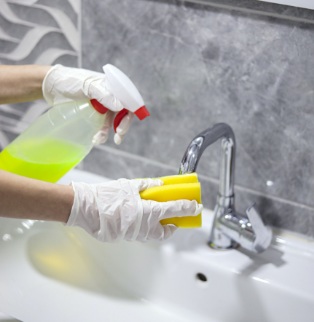

Diagram demonstrating optimal indoor air quality and ventilation flow within a clean commercial environment.Many people are culturally conditioned by marketing to associate strong, artificial fragrances with premium cleanliness.

In truth, a thoroughly clean office environment should have a completely fresh, neutral, odor-free profile. Strong, overpowering synthetic scents are frequently used by subpar cleaning operations to mask underlying issues, such as poor ventilation, hidden mold accumulation, or thoroughly neglected corners.

Furthermore, these artificial chemical fragrances release heavy synthetic allergens into the airspace, frequently triggering migraines, respiratory irritation, and asthma attacks among sensitive office employees.

Myth 7: “Carpets Only Need Cleaning When They Look Dirty”
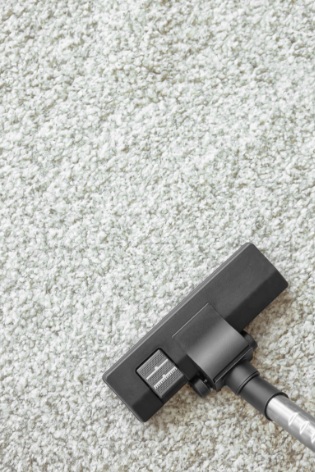

A professional technician operating a commercial hot water extraction carpet machine on blue facility flooring.Waiting until you see visible dark traffic lanes, spill marks, or ground-in grime before booking a deep carpet extraction is an expensive oversight. By the time the dirt is visible to the naked eye, structural damage to the flooring asset has already begun.

Daily foot traffic tracks sharp sand, grit, and fine dirt particles deep down into the carpet pile. Every single step taken over the carpet acts like a microscopic razor blade, grinding these abrasive particles against the carpet fibers, cutting them, and causing irreversible, premature wear.

Routine preventative carpet maintenance, such as encapsulation or hot-water extraction, removes this destructive grit from the deep pile before it destroys the flooring, making it a critical pillar of professional commercial cleaning services that saves your business from high capital replacement costs.

Myth 8: “Disinfecting Wipes Are Enough”

Pre-moistened disinfecting wipes are highly convenient for a rapid touch-up of a personal mouse or phone, but they cannot replace a structured, professional facility cleaning regime.

As established with the concept of dwell time, a surface must remain visibly wet for up to 10 minutes to properly eliminate hardy pathogens. Because a single retail wipe contains a very limited amount of fluid, it dries out long before meeting this critical contact threshold. When a dry wipe is continuously dragged across multiple desks, it no longer kills bacteria—it simply picks up live pathogens from one surface and spreads them across every subsequent desk it touches.

Myth 9: “Dusting Is Just for Appearance”

Dusting is frequently dismissed as a low-priority, purely cosmetic chore meant to keep shelves looking presentable for visiting clients.

In reality, office dust is a highly complex, hazardous mixture composed of dead skin cells, synthetic fabric fibers, environmental plant pollen, outdoor pollutants, and dust mite detritus. When dust is allowed to accumulate on high shelves, light fittings, and ceiling air vents, your facility’s HVAC systems constantly recirculate these fine particles throughout the building. This directly contributes to poor indoor air quality, allergic flare-ups, and respiratory fatigue, while silently clogging intake fans in sensitive server rooms and office electronics, leading to hardware overheating and premature failure.

Myth 10: “More Frequent Cleaning Always Means a Cleaner Office”

Many businesses instinctively assume that an expensive, daily cleaning contract is the absolute best solution for their facility.

However, an optimized office cleaning schedule should be custom-tailored to your unique operational variables, including your total employee headcount, daily visitor traffic, pantry usage habits, and physical office square footage.

Tailoring Frequency to Infrastructure Footprint

For instance, a quiet corporate office with fewer than ten employees and minimal public visitors may only require an intensive service twice a week to maintain pristine hygiene standards.

Conversely, a high-traffic medical clinic, public tuition centre, or customer-facing retail office requires strict daily sanitization loops. A reputable provider of commercial cleaning services will analyze these traffic patterns to recommend a balanced, cost-effective schedule tailored to your actual operational needs rather than locking you into an unnecessarily expensive package. </p> 

Final Thoughts

Commercial office cleaning is ultimately an investment in your company’s operational health. An expertly designed cleaning program does more than just present a pristine face to your corporate clients; it directly lowers employee absenteeism by limiting the spread of workplace illness, optimizes your indoor air quality, and adds years of operational life to your expensive office furnishings and flooring assets.

Your Partner Evaluation Checklist

When selecting a professional cleaning partner, look past the lowest price tag. Evaluate their underlying staff training programs, their quality assurance systems, their cross-contamination controls, and whether their proposed schedule genuinely fits the unique daily footprint of your business.

Ready to Upgrade Your Workplace Hygiene Strategy?

With nearly two decades of trusted commercial expertise, we don’t just clear away daily rubbish—we systematically protect your workplace health, optimize air quality, and safeguard your high-value corporate assets. Discover the difference true operational training makes.

Tailored & Customised
NEA Licsensed
No GST